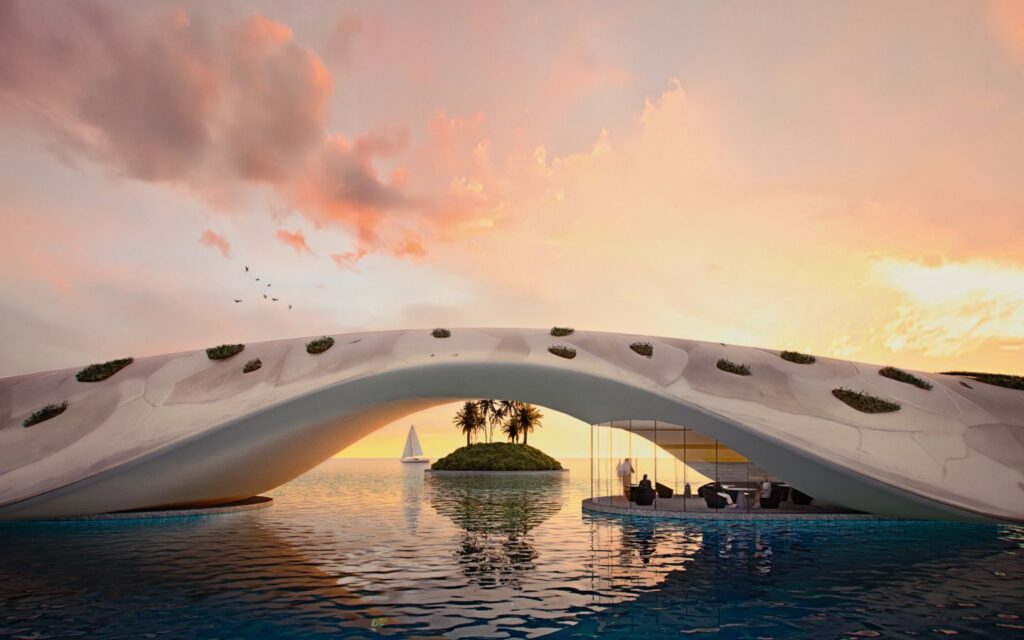
Palm Jebel Ali is more than a spectacular palm-shaped island—it’s a long-horizon, master-planned coastal district designed to add fresh beachfront inventory, lifestyle destinations, and tourism capacity to Dubai’s southwest growth corridor. For investors taking a portfolio view of Dubai real estate, Palm Jebel Ali investment opportunities combine strong end-user appeal with infrastructure-led growth dynamics, diversified property types, and brand-forward hospitality partners. This guide explains why the island matters, who it suits, and how to evaluate opportunities professionally—without discussing pricing.
Why Palm Jebel Ali matters
The island sits near key economic engines: Jebel Ali Port and Free Zone, Dubai South, Al Maktoum International Airport, and Expo City Dubai. These anchors underpin employment, logistics, tourism, and event flows—demand drivers that typically support both sales absorption and rental performance. Add to that Dubai’s pro-investment regulatory stance, transparent escrow rules for off-plan projects, and a global brand for waterfront living, and invest in Palm Jebel Ali becomes a compelling line in many Middle East and international portfolios.
What type of investor it suits
· Long-term capital builders: Comfortable with master-community phasing and multi-year horizons seeking compounding value from infrastructure, placemaking, and supply quality.
· Lifestyle investors/end-users: Buyers prioritizing private beaches, promenades, marinas, and family-centric amenities who value using the asset while holding it.
· Yield seekers: Holiday-home and long-let landlords aiming to leverage beachfront scarcity, branded residences, and year-round tourism.
Master plan pillars that support value
1. Waterfront scale and scarcity: True directly-on-the-sea inventory with promenades, swimmable beaches, and marina access is structurally limited in Dubai. Planned phases at Palm Jebel Ali broaden oceanfront options in a curated way.
2. Integrated community living: Schools, wellness, retail boulevards, beach clubs, cycling tracks, and parks make the island function as a daily-life address, not just a weekend escape.
3. Tourism & hospitality: Branded hotels and residences typically raise service standards, support short-stay demand, and reinforce global marketing reach.
4. Connectivity: Road links to Sheikh Zayed Road and proximity to Dubai South and Expo City reduce commute friction for residents and staff, enlarging the potential tenant base.
Property typologies to consider
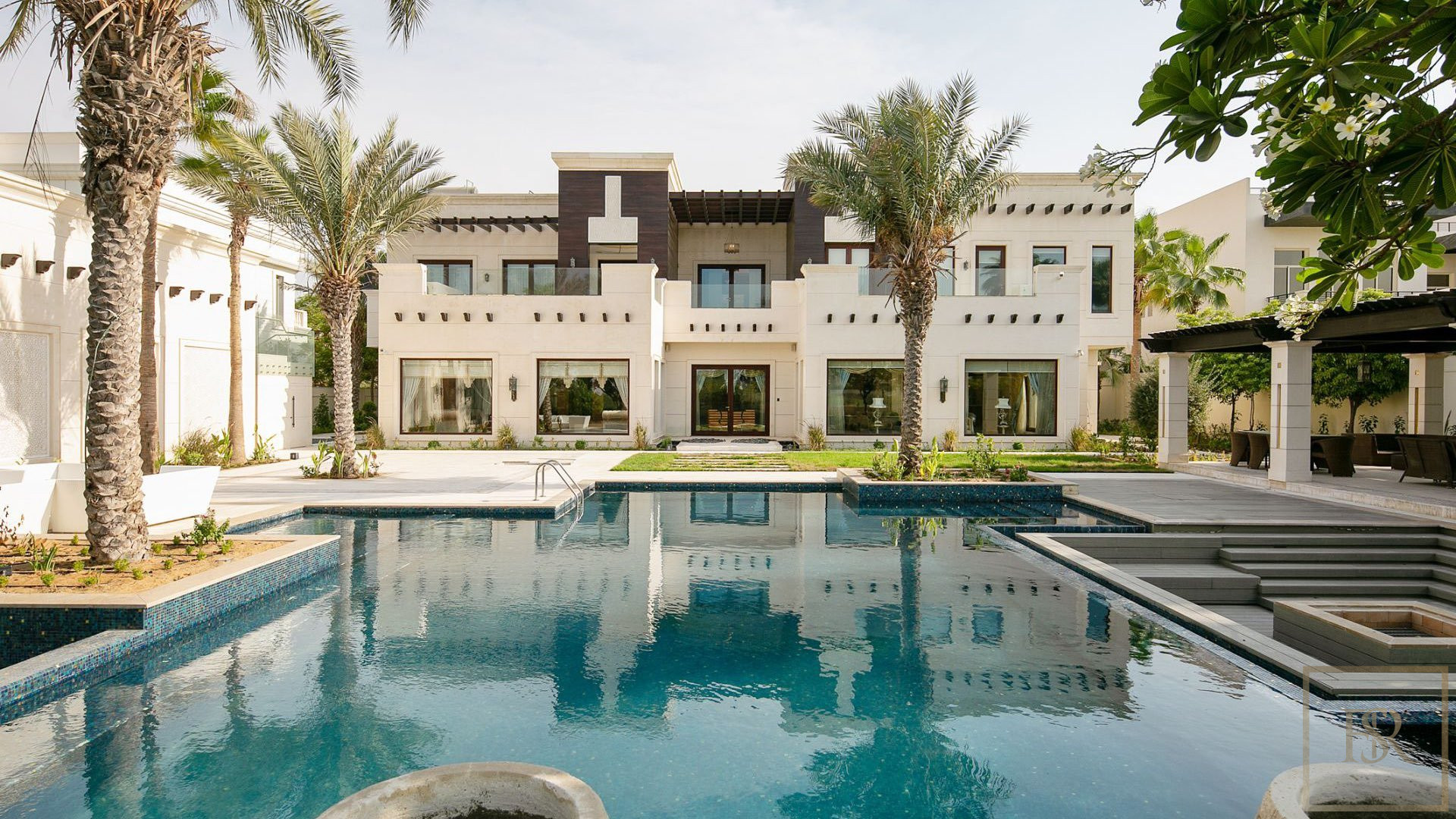
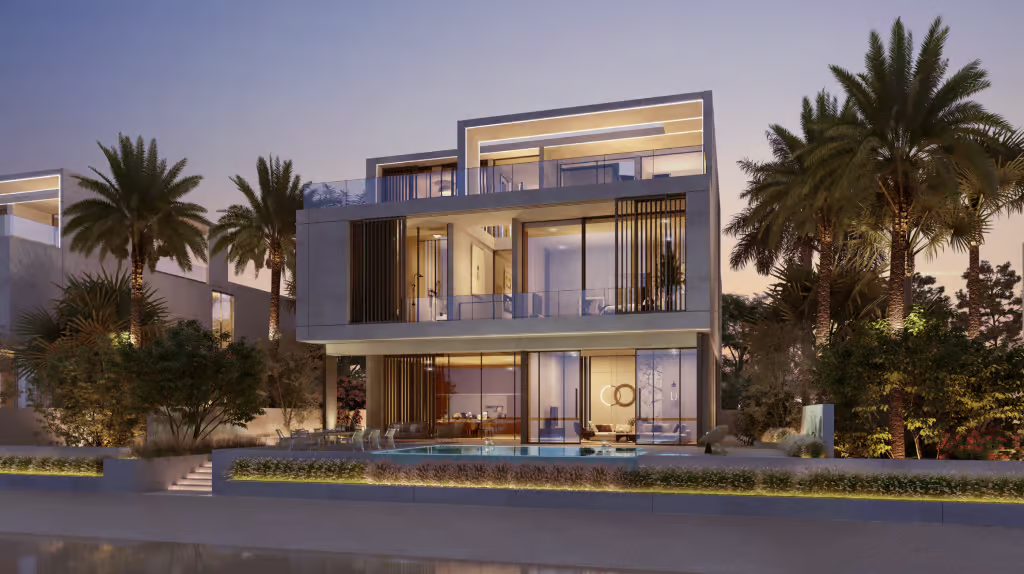
· Beachfront villas and signature plots: Targeted by UHNW and family-office buyers who prize land, privacy, and prime shoreline outlooks.
· Townhouses and semi-detached homes: A middle-upper segment with family functionality, useful for steady rental demand once handover occurs.
· Apartments (low- to mid-rise and branded): Typically deliver liquidity, diversified ticket sizes, and access to hospitality-grade services.
· Retail/F&B strata in prime promenades: A niche play reliant on footfall, curation, and operator quality—best for experienced commercial investors.
Key drivers for a Palm Jebel Ali investment thesis
· Employment gravity: The Jebel Ali–Dubai South axis continues to host logistics, aviation, and events ecosystems—an organic pool of tenants and users.
· Brand equity of the Palm typology: Palm Jumeirah set a benchmark for waterfront living; Palm Jebel Ali extends the proposition with newer planning and sustainability features.
· Lifestyle and wellness: Walkable waterfronts, community clubs, and sports facilities add non-financial utility—important for both resale narratives and end-user stickiness.
· Portfolio diversification: Coastal assets behave differently from inland city apartments, providing a hedge within Dubai exposure.
Professional due diligence checklist (no pricing)
1. Developer & contractor track record: Delivery history, quality controls, materials specifications, and after-sales support.
2. Escrow & RERA compliance: Confirm escrow account details, construction milestones, and the exact Sale & Purchase Agreement (SPA) obligations.
3. Title & registration: Understand Oqood/registration steps, unit entitlements, and any community-wide rights of use (beach, berths, clubs).
4. Master-community governance: Review Owners Association (OA) rules, community design guidelines, and enforcement—vital for long-term aesthetic and value preservation.
5. Service charge forecasts: Model different assumptions for common-area maintenance and community services; waterfront environments carry specific upkeep needs.
6. Rental strategy readiness: Assess furnishing packages, operator tie-ups for holiday homes, and building policies on short-let vs long-let.
7. Exit planning: Study secondary-market liquidity expectations by typology, handover year, and building/operator brand.
Risk factors to price into your expectations (not into numbers)
· Phasing and timeline risk: Large islands deliver in stages. Access, retail vibrancy, and school capacity ramp up over time. Plan your hold period accordingly.
· Product-market fit: Not every sub-cluster will have equal demand depth. Beachfront line, view corridors, and nearest amenity nodes can materially affect outcomes.
· Service-charge sensitivity: Waterfront communities can command higher running costs; robust underwriting avoids surprises.
· Global macro: Interest-rate cycles and currency moves influence cross-border buyer flows; hedge thoughtfully if investing from overseas.
How to select the right unit
· Micro-location: Prioritize uninterrupted water outlooks, morning/evening sun angles, privacy from public promenades, and practical access to community gates.
· Stack & layout efficiency: In apartments, corner stacks with dual aspects and smart floorplates often command stronger end-user interest. In villas/townhouses, plot regularity, frontage width, and garden usability matter.
· Acoustic and wind considerations: Beachfronts bring breeze and activity; evaluate building orientation, glazing specs, and landscape buffers.
· Parking, storage, and back-of-house: Holiday-home operators and families alike value extra storage, maid’s rooms, and secure parking ratios.
· Brand & operator alignment: Branded residences can enhance service and global awareness; confirm fee structures, brand standards, and rental-pool rules where relevant.
Rental strategy: long-let vs holiday-home
· Long-let: Appeals to families and professionals working along the SZR–Jebel Ali–Dubai South corridor, offering stability and reduced turnover.
· Holiday-home: Works best for top-tier waterfront lines near hospitality and leisure nodes. Ensure your building’s rules and licensing conditions permit short-term rentals and plan for professional management.
Sustainability and future-readiness
Modern Palm Jebel Ali planning emphasizes energy-efficient designs, shaded pedestrian realms, and environmentally conscious infrastructure. For investors, these features are not just ethical preferences; they can influence operating costs, tenant satisfaction, and regulatory resilience over a decade-plus hold.
Documentation & compliance essentials
· Reservation & SPA review: Engage a Dubai-registered conveyancer or legal advisor to review timelines, default clauses, and force-majeure language.
· Mortgage readiness (if applicable): Pre-assess local lending criteria, eligibility, and documentation to avoid completion stress.
· Insurance & handover checks: Snagging, defect liability periods, and building warranties should be organized well before key collection.
· Letting compliance: Secure the correct permits for long-let or short-let operations and align with community and emirate-level regulations.
Building a professional Palm Jebel Ali investment plan
1. Define the goal: Capital appreciation, income stability, personal use, or a blend.
2. Pick the typology: Villa, townhouse, branded apartment, or commercial retail—each has distinct risk/return behavior.
3. Underwrite conservatively: Model service charges, realistic occupancy assumptions, furnishing/fit-out, and operator costs.
4. Sequence your entries: Consider staggering purchases across phases or clusters to diversify delivery risk.
5. Set review cadences: Revisit your hold thesis at reservation, SPA, 50% construction, and pre-handover milestones.
The bottom line
Palm Jebel Ali investment stands at the intersection of beachfront scarcity, large-scale placemaking, and real-economy anchors in Dubai’s southwest. For disciplined investors who appreciate community phasing and plan with professional due diligence, the island offers a credible route to long-term value creation—supported by brand equity, infrastructure adjacency, and lifestyle depth. Choose the right micro-location, align the product with your strategy, and manage the asset with the same rigor you used to acquire it. That’s how you turn a beautiful shoreline into a durable portfolio story.